In the world of fine electronics, intricate jewelry, and detail-driven DIY work, precision isn’t just a preference—it’s the difference between a clean, professional result and a frustrating redo. For many makers, hobbyists, and technicians, the central challenge is surprisingly consistent: holding small components steady while using tools that require controlled pressure, accurate placement, and a clear line of sight. Traditional solutions—tweezers, clamps, improvised jigs, or asking a second person to help—often fall short when the work demands millimeter-level accuracy and long sessions without slipping, wobbling, or heat-related drift.
That’s where the magnetic “third hand” revolution comes in. Designed to stabilize what your hands can’t simultaneously hold, a modern magnetic third hand system transforms delicate tasks into repeatable, confident workflows. Unlike older helper tools that rely on fixed positions or limited clamping force, today’s magnetic support platforms focus on one core goal: unwavering stability with flexible positioning—so you can work smarter, not harder.
Below is a practical look at why magnetic third hands are changing the way people build, repair, and craft, and how they serve as an essential partner for precision electronics, intricate jewelry, and creative DIY projects.
## Why “Two Hands” Isn’t Enough for Precision Work
Most people underestimate how often “two hands” is truly limiting. Even if you have steady hands, you still run into problems such as:
- **Small parts require delicate pressure**: Soldering, gluing, setting stones, or aligning micro-mechanical components demands control that’s hard to maintain while also holding the workpiece.
- **Tools need an uninterrupted motion path**: A soldering iron, engraving tip, needle file, or drill bit works best when you can move with confidence rather than compensate for shifting angles.
- **Visibility matters as much as grip**: Sometimes your tools need a specific approach angle, but holding the work in place with your fingers blocks the view.
- **Workpieces don’t behave**: Wires spring, tiny springs rebound, delicate chains twist, and thin metal parts flex under pressure.
In these scenarios, a stable third point of support becomes essential. And that’s not a luxury—it’s a requirement for accuracy and consistency.
## The Magnetic Third Hand Advantage: Stability Meets Flexibility
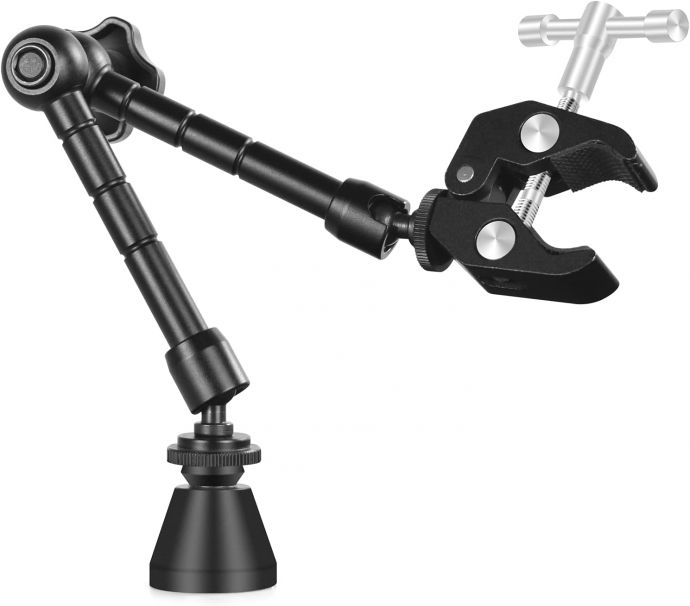
A magnetic third hand isn’t merely a clamp with improved branding. The key innovation is that it uses a magnetic system to hold components securely while still allowing quick repositioning. This combination matters because precision tasks require both stability and adaptability.
### 1) Unwavering Stability for Delicate Materials
Magnets hold components firmly without the same level of slippage that can happen with soft clamps, hand pressure, or temporary fixtures. For electronics, this means components stay aligned while you solder, inspect, or attach leads. For jewelry and crafts, it helps prevent micro-movements that can ruin alignment or finish.
### 2) Quick Positioning Without Constant Reassembly
A major frustration with traditional support tools is the time spent loosening, tightening, re-clamping, or re-aligning. Magnetic systems allow rapid adjustments—reducing setup time and keeping your workflow moving. When you’re switching between steps—like test fitting, applying adhesive, then finalizing placement—fast repositioning becomes a real productivity boost.
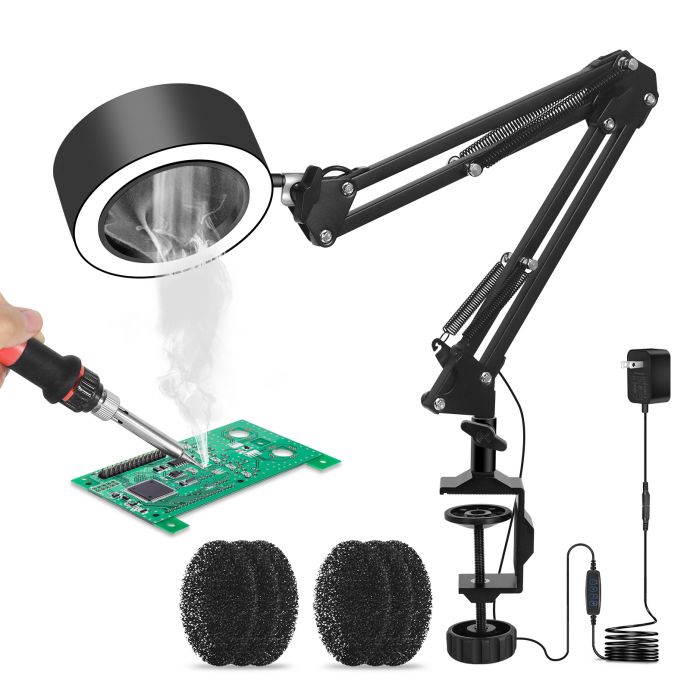
### 3) Better Control for Intricate Work
Precision electronics and fine jewelry both involve tiny tolerances. A stable, adjustable support helps you keep tools at consistent angles. That consistency can improve solder joints, reduce the risk of damaging delicate wires, and help prevent scratches or dents on finished metal surfaces.
### 4) Reduced Stress on Your Hands and Eyes
When your workpiece is secure, you’re free to focus on fine motor control rather than fighting to keep something steady. That reduces fatigue during long sessions—especially for tasks like:
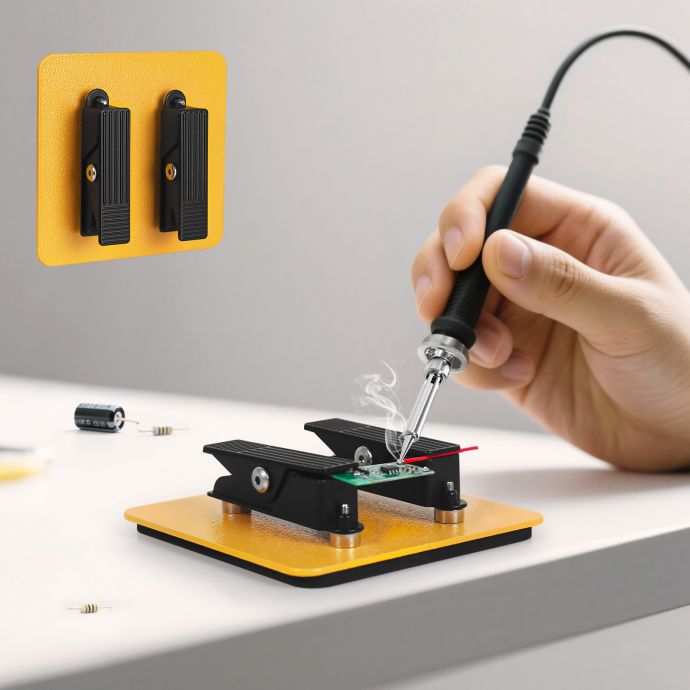
- assembling small PCBs
- soldering multi-lead components
- re-threading fine chain links
- setting small stones with minimal disturbance
- building micro-mechanical assemblies for prototypes
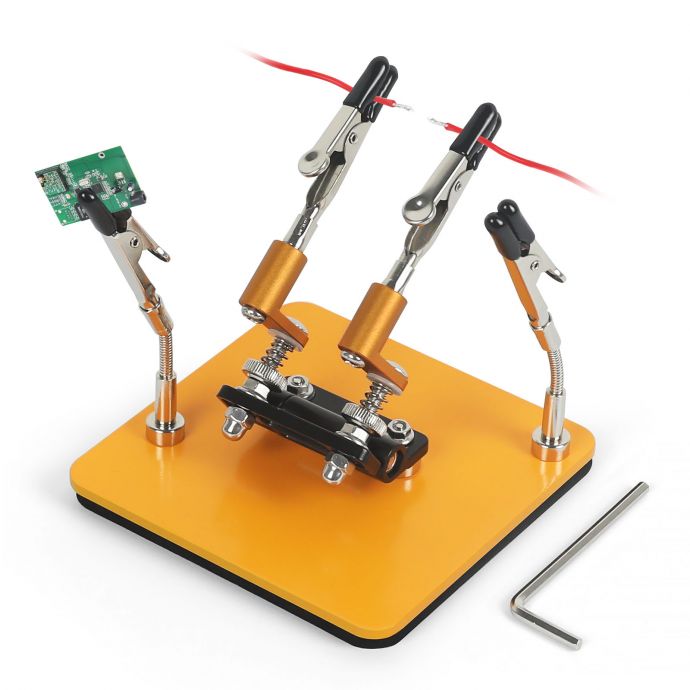
## Precision Electronics: From Soldering to Repairing Without Guesswork
In electronics work, the magnetic third hand shines because it supports exactly what’s most difficult to manage: alignment during heating and handling tiny components. Even experienced technicians can struggle when the part shifts slightly as solder melts or when leads need consistent placement.
### Stabilizing PCBs and Leads
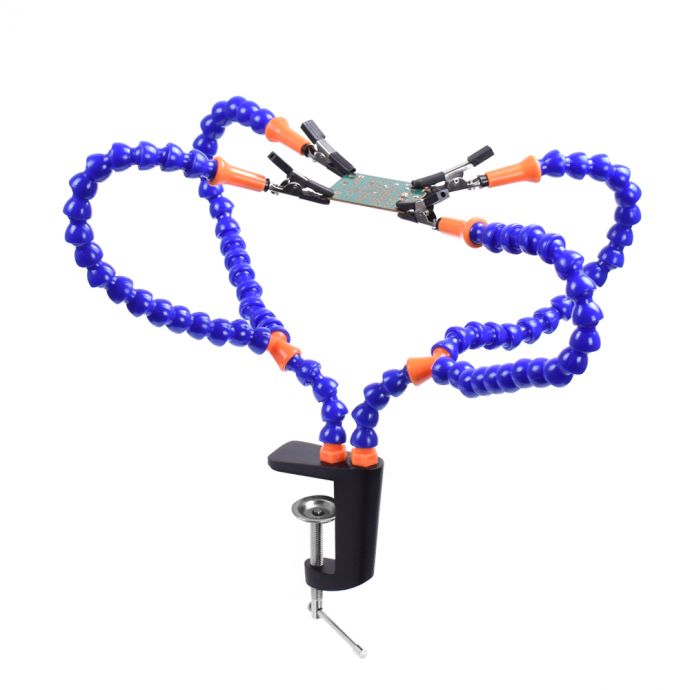
When working on circuit boards, you often need to hold a component in place while soldering multiple points. A magnetic third hand provides a reliable holding platform so your attention stays on solder flow, temperature control, and lead alignment. Instead of bracing a component with fingertips, you can let the support system do the holding.
### Helping During Soldering and Desoldering
Soldering is unforgiving. If a joint moves even slightly during melting, you can end up with cold joints, bridges, or misaligned connections. A secure third-hand support reduces unwanted movement, improving the odds of clean solder joints on the first attempt.
Desoldering requires equally careful control—melting old solder while preventing damage to nearby pads and traces. Stability helps you guide heat precisely and minimize collateral stress on the board.
### Clean Wiring and Micro-Cable Work
Fine wires and connectors can behave like springs. Magnetic holding support can keep leads oriented while you twist, tin, or align them for attachment. That level of control is especially helpful when working with:
- small harnesses
- LED leads and delicate indicators
- sensor wires
- compact connectors in appliances and devices
### Inspection and Testing
Once the connection is in place, you often need to inspect your work from multiple angles. A third-hand system that holds components securely keeps your assembly stable while you check continuity, confirm alignment, or examine solder quality under magnification.
## Intricate Jewelry: Precision, Clean Finishes, and Less Risk of Damage
Jewelry-making is where “micro-precision” becomes “micro-perfection.” The difference between a polished piece and a flawed one is often a matter of tiny adjustments. A magnetic third hand system supports your work during the most delicate steps—like positioning, soldering, setting, assembling, and finishing.
### Holding Small Components Without Scarring
Many jewelry components are thin, textured, or coated. Traditional clamping solutions can mark surfaces, crush prongs, or distort thin metal. A stable magnetic support reduces the need for aggressive gripping. When your jewelry piece is supported evenly, the risk of accidental dents and scratches decreases.
### Soldering and Seam Alignment
Jewelry soldering requires controlled heat and precise joint alignment. When parts shift, you can end up with uneven seams, misaligned edges, or gaps that are hard to fix later. Magnetic third hand stability helps keep your pieces aligned while you bring the heat to where it belongs.
### Setting Stones and Fine Embellishments
Stone setting—whether for prongs, bezels, or delicate components—demands careful positioning. A third-hand support allows you to work with tools that need consistent approach angles. Instead of using your fingers to hold the piece in place (which can obscure vision and reduce control), the support holds while you set.
### Working With Chains, Links, and Micro-Parts
Chains twist, links catch, and tiny components can spring away during assembly. With a stable support, you can manipulate links and connectors more methodically. This reduces tangles and increases the likelihood that each stage goes smoothly.
## DIY Projects and Creative Builds: More Confidence, More Creativity
While electronics and jewelry are the headline uses, the magnetic third hand also becomes an everyday helper for a wide range of DIY projects. Any task that involves small parts, careful alignment, and repetitive precision can benefit.
### Model Making and Miniature Repairs
Miniatures often use components that are small enough to challenge even steady hands. A third-hand support can help you hold parts while painting, gluing, drilling, or assembling. The more stable your workpiece, the more consistent your results—especially for parts that must match exact orientation.
### Crafting and Assembly of Small Mechanisms
Micro mechanisms—springs, hinges, linkages, and compact hardware—require precise placement. A magnetic support helps keep components aligned during assembly so you can avoid repeated attempts and reduce the risk of bending fragile parts.
### Electronics in Everyday DIY
Even if you’re not a professional electronics technician, DIY projects increasingly involve electronics: LED strips, battery holders, small control boards, sensor modules, and wiring harnesses. A stable third hand makes these tasks approachable. It helps you build with confidence and repair with less guesswork.
### Laser-Cutting, Engraving, and Detail Finishing
Many detail processes are easier when the work is stable and positioned at a consistent height and angle. A magnetic holding system makes it simpler to keep the piece stable while you work on fine finishing steps—reducing accidental slips that can ruin a surface.
## What to Look for in a Magnetic Third Hand System
Not all third-hand tools are created equal. When choosing one for electronics, jewelry, or DIY, focus on practical characteristics that affect real-world performance.
### Stability and Holding Power
The central benefit is stable holding. Look for a design that keeps your components secure without requiring extreme tightening that could damage delicate materials.
### Adjustable Arms and Positioning Freedom
Precision work often requires changing angles. A good system should allow flexible positioning so you can bring tools to your piece naturally—especially during soldering, soldering of small joints, stone setting, or careful gluing.
### Compatibility With Different Workpiece Sizes
You may work on everything from tiny IC leads to small jewelry components. A system with adaptable positioning helps you stay productive instead of hunting for a new tool for every project size.
### Surface Safety and Clean Handling
For jewelry and delicate finishes, surface protection matters. Look for designs that minimize the risk of marring. If your tool uses gripping tips or contact points, ensure they won’t leave marks on metal finishes.
### Ease of Use and Quick Setup
A magnetic third hand should reduce friction in your workflow. If positioning or re