If you’ve ever juggled a hot soldering iron in one hand, a delicate PCB in the other, and tried to keep a third component aligned “somehow” with pure hope and elbow grease, you already know the real challenge isn’t technical knowledge—it’s physical setup. A great project can be ruined by a simple lack of stable positioning. The same frustration shows up in camera work: tripods are rigid but often not specific enough, clamps are available but fiddly, and holding an accessory in exactly the right angle can be maddening. Then there’s hands-free lighting—essential for macro shots, wiring inside enclosures, or close-up repairs—where even a small shift can throw off your focus and exposure.
That’s where the “third hand” tool comes in, and where a truly clever version can feel like a practical miracle. The “Triple-Task Workshop Wonder” concept isn’t just about having extra hands. It’s about consolidating three common workshop problems—soldering stability, camera mounting precision, and reliable hands-free lighting—into a single setup that’s fast to deploy and easy to adjust. At the heart of the system is an ingenious clamp design: one that reduces the number of separate accessories you need and improves control over how things are held, angled, and secured.
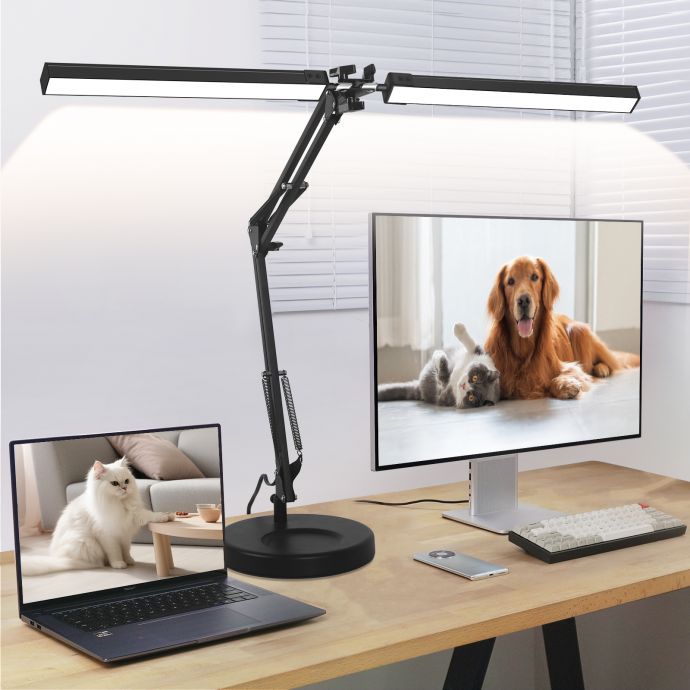
Let’s look at why this approach changes the workshop experience, how the clamp design makes it versatile, and how you can put it to work across soldering, camera builds, and lighting setups.
---
## The Real Problem: “Hands” Are Always the Bottleneck
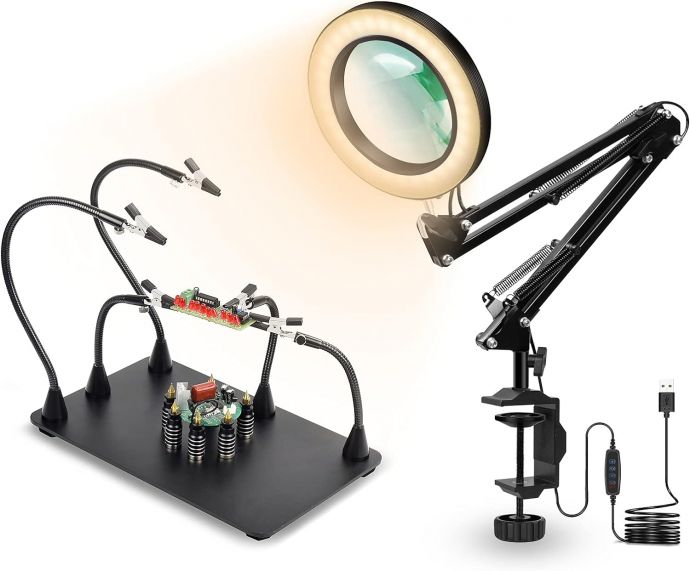
Most people assume soldering success comes down to technique: temperature, flux, solder type, and timing. Those matters are absolutely real. But just as important is the question: *What’s holding everything steady while you do the work?* Even a short soldering session can involve holding a circuit board, stabilizing a component lead, positioning a wire, and occasionally tapping or nudging a part into alignment. If you use a conventional vice, you may end up compromising accessibility or forcing uncomfortable angles. If you rely on tape, you’ll eventually find that adhesive fails under heat or gets in the way when you need to rework something.
Camera mounting has similar constraints. Many accessories require precise positioning: small brackets, cages, hot-shoe adapters, monitors, microphones, lights, or even DIY rig components. In the field or studio, you need adjustments to be repeatable, secure, and quick. Generic clamps may hold things, but they often slip, mar surfaces, or don’t let you angle them accurately without constant re-tightening.
And then there’s lighting—arguably the most underrated part of both electronics and photography. In close-up work, you need illumination that doesn’t cast unwanted shadows. In wiring and soldering, you need visibility inside tight areas. In photography and video, you need light positioned consistently to control reflections, contrast, and color. A lamp that wobbles or blocks your view can force you to redo shots or risk mistakes in delicate work.
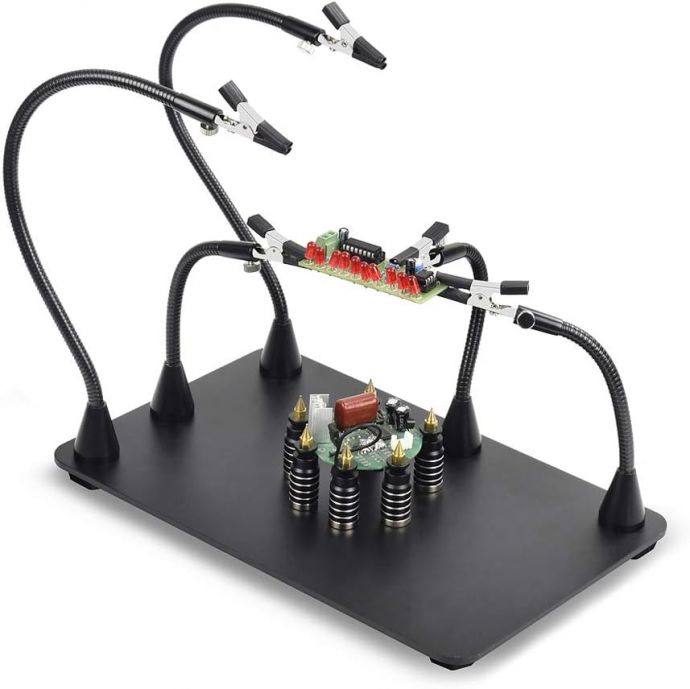
A “third hand” tool attempts to solve the hands problem by adding extra support. But the best tools don’t just add arms—they streamline the whole workflow.
---
## Why a Clamp-Centric “Third Hand” Tool Feels Different
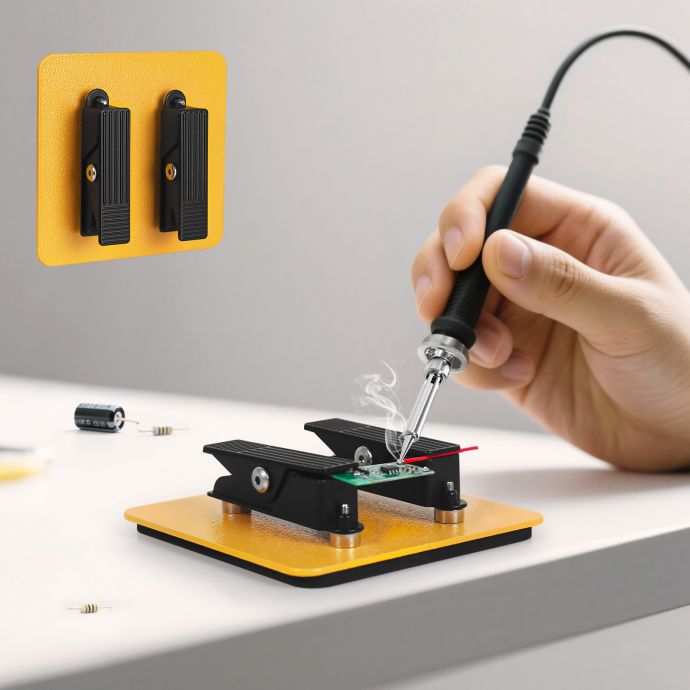
The defining feature of a high-quality third hand setup is how it grips and positions. The clamp design—especially one that’s engineered for both stability and adjustability—turns the tool from a “temporary helper” into a dependable work platform.
Instead of relying on loose, inconsistent joints or clamps that require fussy adjustments each time you reposition, a clamp-centric design typically emphasizes:
1. **Secure, repeatable grip**
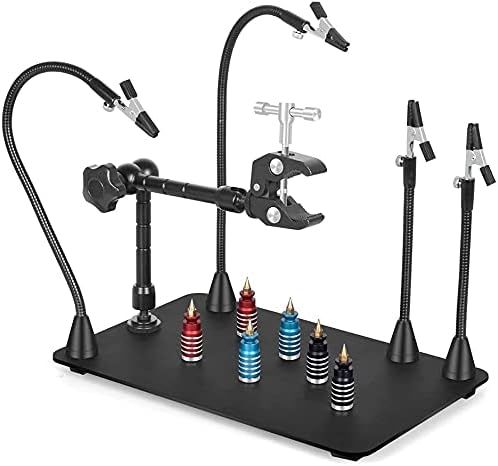
The clamp mechanism helps hold objects firmly without sliding when you manipulate them. This matters when you’re applying force—like when you press a wire into place, reposition a connector, or align a camera accessory under load.
2. **Fast angle changes with minimal fuss**
Workshop tasks rarely follow a straight line. You start one way, realize you need a different angle, and then correct course. A tool that makes angle changes smooth and quick reduces downtime and frustration.
3. **Support across multiple use cases**
Soldering, mounting, and lighting all require different kinds of hold: solder requires fine positioning of small parts; mounting requires stable alignment and secure fastening; lighting requires reach and correct orientation. A versatile clamp system allows you to reconfigure the tool depending on the task.
4. **Better access to the work area**
Hands-free support is only helpful if it doesn’t block your view or interfere with tools. A good clamp design keeps the work accessible so you can work quickly and cleanly.
When a third hand tool is designed around these principles, it stops being a gadget and starts becoming a workflow partner.
---
## Triple Task, One Setup: Soldering Made More Controlled
Soldering is where the third-hand concept shines immediately. When you’re working with small components, the biggest enemy isn’t always the solder—it’s movement. A joint that looks aligned in the air can shift slightly when you touch the iron to it, and that’s enough to create a cold joint, a crooked connection, or a misalignment that forces rework.
With a clamp-driven third hand tool, the process becomes more controlled:
### 1) Hold the PCB or component precisely
Instead of balancing a board on a desk or using tape, you can clamp it securely. This frees your hands for the soldering iron and solder wire and makes it easier to maintain consistent contact points.
### 2) Stabilize leads for cleaner joints
When component leads or wires need to be held in place—especially for connectors, through-hole components, or small adapters—the third hand can anchor them so you can focus on heat and flow. Many users find that their joints become cleaner and more uniform because they spend less time “fighting alignment.”
### 3) Reduce fatigue and rework
Holding everything in place manually forces micro-adjustments throughout the session. Fatigue makes those micro-corrections less precise. A stable clamp setup lets you concentrate on technique rather than constantly compensating for movement.
### 4) Improve safety and heat management
A firm clamp reduces the temptation to grip hot surfaces with your fingers or position your hands too close to the work. Even if you’re careful, more stability means fewer “oops” moments.
The result is a soldering environment that feels calmer—even when you’re working on something fiddly.
---
## Camera Mounting: Turning Clamps into a Precision Rig
Camera work is full of one-off setups: a new rig configuration for a specific shot, a quick change in angle, or an improvised mounting solution for a new accessory. The challenge is to keep those setups stable without making your workspace look like a hardware store overflow.
A triple-task third hand tool can help because it functions like a flexible mounting platform. If the clamp design is strong and adjustable, it can secure brackets, rails, and accessories while allowing you to position them accurately.
Here’s how it can revolutionize camera mounting workflows:
### 1) Support small brackets and accessories
Small brackets, monitor arms, phone mounts, flash attachments, or even lightweight rigs can be held in consistent positions. The clamp gives you a “solid reference point” while you tighten connections and align components.
### 2) Make angled adjustments easier
Different shots require different angles. With a well-designed clamp mechanism, you can adjust orientation without dismantling the entire setup. That means less time re-rigging and more time shooting.
### 3) Keep wiring manageable
Camera rigs often involve power cables, triggers, and accessory leads. Mounting stability matters because cables shouldn’t tug at your mounts or cause the rig to shift. A clamp-based hold can reduce strain and keep your setup tidy.
### 4) Enable repeatable configurations
Even if your projects vary, having a consistent way to mount and align accessories reduces trial-and-error. The more repeatable your setup, the faster you can iterate—whether you’re building a DIY cage, mounting a light, or setting up a monitor.
In other words, it’s not just holding something—it’s holding something *accurately enough that you can trust it*.
---
## Hands-Free Lighting: Consistency That Improves Photos and Repairs
Lighting is where “hands-free” stops being a convenience and becomes a quality factor. In photography, light position affects everything: shadows, reflections, color accuracy, skin tone, and even the visibility of fine details. In electronics work, good lighting prevents misreads, reduces accidental shorts, and makes soldering smoother.
A triple-task third hand tool with integrated clamp versatility can hold lighting equipment in stable, adjustable positions so you’re not constantly repositioning a lamp or balancing it on objects.
### 1) Place light exactly where you need it
Because the clamp can hold the light at angles and positions suited to the task, you can direct illumination to the work area—whether that’s a circuit board or a subject.
### 2) Reduce shadows and glare
With precise placement, you can avoid harsh shadows that hide component labels or create distracting contrast in macro shots. For camera work, controlling reflections is especially important for shiny surfaces, lenses, or glossy materials.
### 3) Stabilize your workspace
Lighting that wobbles changes the entire look of your scene. In photography, that means inconsistencies shot to shot. In soldering, it means your view of the joint changes as you move, which can cause delays or mistakes.
### 4) Keep both hands available
The biggest win is psychological as much as practical: once you don’t need to “manage the lamp,” you can focus on the job. Your hands become tools rather than assistants.
In workshops, the best tools reduce mental load. Hands-free lighting does that instantly.
---
## The Ingenious Clamp Design: Why It Matters More Than You Think
It’s tempting to judge third-hand tools by how many “arms” they have. But in real use, clamping