If you’re a hobbyist, a seasoned electronics enthusiast, or a professional who regularly handles soldering, you already know the subtle hazards lurking in your workspace. Soldering is a rewarding and creative process, but it’s hard to ignore that unmistakable whiff of smoke as molten solder hits the iron tip. Over time, the invisible toxins and odors released during soldering can build up, potentially affecting your health and comfort. That’s where a DIY solder fume extractor comes in, and powering it with a 12V system not only makes it efficient and portable but also opens up a world of creative customization.
Let’s dive deep into why a 12V solder fume extractor is your best friend at the workbench, how you can build one yourself, and what it takes to maintain a clean, safe, and healthy workspace without compromising on your passion for creating.
---
## Why Are Soldering Fumes Harmful?
The key components of conventional solder—typically a mix of tin and lead with rosin flux—release fumes when heated. Even if you use lead-free solder, the flux contains chemicals (mainly rosin, which is pine resin) that vaporize into the air as you solder, producing a range of substances including aldehydes, acids, and tiny particulate matter. These fumes can irritate your eyes, nose, and throat, and for some people, prolonged exposure can even lead to asthma-like symptoms or other respiratory problems. Additionally, certain solders might contain other metals or chemicals, further increasing the risk of inhaling toxic substances.
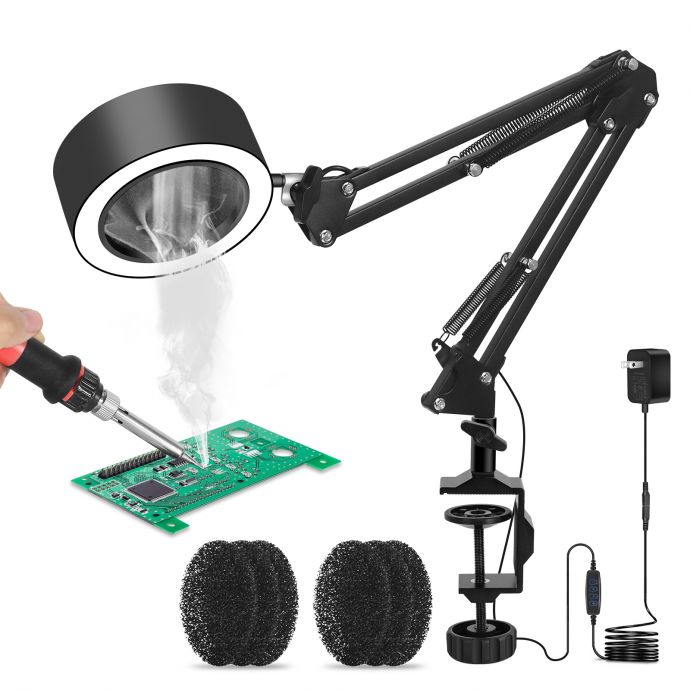
Professional workshops often have industrial venting or extraction systems, but most hobbyists and small-scale electronics enthusiasts don’t have access to such luxury. That’s where a well-built, portable 12V fume extractor becomes essential—it’s a simple, affordable solution to drastically reduce harmful exposure in your workspace.
---
## What Makes a 12V Fume Extractor the Ultimate Solution?

### Portability and Versatility
A 12V system is universally compatible with various adapters, car batteries, or standard DC wall supplies. You can move it around your bench, take it outdoors, or use it anywhere you need a compact, dependable unit that doesn’t tether you to a fixed AC outlet.
### Efficient Performance
Modern 12V fans have excellent airflow-to-power consumption ratios, providing strong extraction without excessive noise or heat. Pairing a high-quality filter (like activated carbon or HEPA) with a 12V fan ensures you’re actually capturing and neutralizing fumes, not just moving air around.
### Safety and Simplicity
Low-voltage operation is inherently safer, reducing the risk of shocks or electrical hazards. This makes it suitable even for younger enthusiasts, classrooms, or shared spaces.
### DIY Flexibility
Building your own 12V solder fume extractor lets you tailor the size, style, and filter type to your unique needs. You can modify airflow, noise levels, and aesthetics, or even integrate cool features like adjustable arms, filter replacement alerts, or LED work lights.
---
## Gathering the Essentials: What You’ll Need
Before you start assembling your shield against toxic fumes, gather the following components:
1. **A 12V DC Fan:**
Commonly used in computer cases or as cooling fans for electronics. Aim for a fan size of 80mm to 120mm for good coverage.
2. **Filter Material:**
Activated carbon foam is ideal for capturing volatile organic compounds and odors, while HEPA filters are better for particulate matter. You can combine both for maximum effectiveness.
3. **12V Power Source:**
Options include a standardized wall adapter, a battery pack, or USB step-up converters (if using USB as a power source).
4. **Enclosure/Housing:**
You’ll need a frame to hold the fan and filter. This could be a 3D printed case, a laser-cut acrylic box, a repurposed plastic container, or MDF/plywood for a sturdy build.
5. **Switch (optional):**
An in-line or panel-mount switch to easily power the unit on and off.
6. **Wires, Soldering Tools, and Connectors:**
Basic wiring supplies to assemble and connect the components.
7. **Rubber Feet/Stand (optional):**
To minimize vibrations and stabilize the extractor on your workbench.
8. **Extras:**
LED lighting, flexible gooseneck mounts, or even connectivity for “smart” monitoring if you want further customization.
---
## Step-by-Step Build: The DIY 12V Fume Extractor
### 1. **Designing the Layout**
Start by deciding on the shape and position of your fume extractor. Most people prefer a compact, upright unit that stands just behind the soldering area, drawing fumes away from their hands and face. The chosen fan size largely determines your enclosure’s dimensions.
### 2. **Preparing the Enclosure**
- Drill or cut a circular hole in one side of your enclosure to securely mount the fan.
- Ensure the filter material can be inserted directly in front of the fan inlet (for maximum efficacy).
- If adding a switch, drill an additional hole for its mounting.
### 3. **Wiring the Electronics**
- Solder wires from the power input to the fan, adding the switch in-line with the positive lead.
- For polarity, make sure to consult your fan's datasheet so it's wired in the airflow direction you want (typically, the label side is the blowing side).
- Secure connections with heatshrink or electrical tape.
### 4. **Mounting the Filter**
- Cut the activated carbon or HEPA filter to fit snugly inside the enclosure, pressed against the fan’s air intake.
- Some builders use a removable filter caddy or frame for easy replacements.
### 5. **Assembly**
- Mount the fan into the enclosure using screws, glue, or cable ties as appropriate.
- Secure the enclosure with all components inside and test the airflow direction by briefly powering on the unit.
### 6. **Final Touches**
- Affix rubber feet, add labels, or even decorate the enclosure for a personal touch.
- If desired, install an LED strip for extra workspace illumination (wired in parallel with the fan).
---
## Tips for Maximum Effectiveness
1. **Positioning:**
Place the fume extractor as close to your work as possible—ideally, just a few centimeters from where the soldering takes place.
2. **Regular Filter Changes:**
Activated carbon and HEPA filters lose effectiveness over time. Swap them out regularly (every few months, depending on usage).
3. **Size Appropriately:**
Don’t undersize the fan or filter; more airflow generally improves performance, but balance this against noise and power constraints.
4. **Seal Gaps:**
Ensure that air pulled by the fan must pass through the filter, not around it. Foam gaskets and careful construction can help.
5. **Stay Informed:**
Keep up-to-date on best soldering practices and new filter technologies as they become available.
---
## Real-World Benefits of Breathing Clean
Switching to a 12V solder fume extractor is more than just a safety upgrade; it’s an investment in your long-term health, comfort, and productivity. Here’s how your workspace will improve:
- **Cleaner Air, Sharper Focus:**
Removing foul odors and invisible toxins keeps you more comfortable and less distracted, letting you focus on intricate solder joints and creative designs.
- **Less Maintenance:**
Over time, soldering residue can coat surfaces and sensitive components. Effective fume extraction keeps your workspace and tools cleaner for longer.
- **Family- and Pet-Friendly:**
If you’re soldering in a shared space, your family or visitors will appreciate the lack of musty smoke and lingering odors.
- **Peace of Mind:**
Knowing you’re actively safeguarding your lungs and airways means one less worry, especially for those who solder often or for extended sessions.
---
## Customization Ideas for Your Ultimate Extractor
The possibilities don’t end at basic fume removal! Consider upgrading your extractor with:
- **Gooseneck or Articulated Arms:**
Allows you to position the extraction point precisely where the most smoke rises.
- **Air Quality Indicators:**
Low-cost air quality sensors can help you monitor filter performance and remind you when to replace or clean it.
- **WiFi or App Integration:**
Advanced users can add IoT connectivity for remote monitoring, smart scheduling, or logging usage for classrooms.
- **Sound Dampening:**
Line the enclosure with foam or use silent fans for whisper-quiet operation during long projects.
---
## DIY Success Stories
Many makers and electronics enthusiasts have shared their DIY fume extractor builds, praising the dramatic difference in workspace air quality. For teachers and workshop leaders, providing fume extraction is a “must” for demonstrating best practices to new learners. Even those in small apartments or shared spaces have found that a 12V fume extractor transforms soldering from a smoky, unpleasant necessity to a comfortable, enjoyable activity.
---
## Conclusion: Solder Safely, Solder Smart
Whether you’re a beginner tackling your first breadboard project or a seasoned pro perfecting surface mount artistry, the fumes from soldering should never be ignored. Building and using a 12V DIY solder fume extractor is a straightforward, cost-effective way to create a healthier, more enjoyable workspace. With off-the-shelf parts and basic maker skills, you can easily assemble a system that pulls harmful smoke away from your face and filters toxins from the air—all while keeping noise and clutter to a minimum.
Don’t let toxic fumes be a byproduct of your passion. Take control of your soldering environment with a custom, portable, and powerful 12V fume extractor. With every breath, you’ll appreciate the difference—and so will your lungs for years to come.