If you’ve ever tried to solder a delicate circuit only to watch a component shift the moment your iron touches it, you already know the real battle isn’t with the solder—it’s with control. Soldering is equal parts heat, timing, and finesse, and yet even experienced hands can lose precision when clamps slip, wires swing, or the third hand you wish you had just won’t appear.
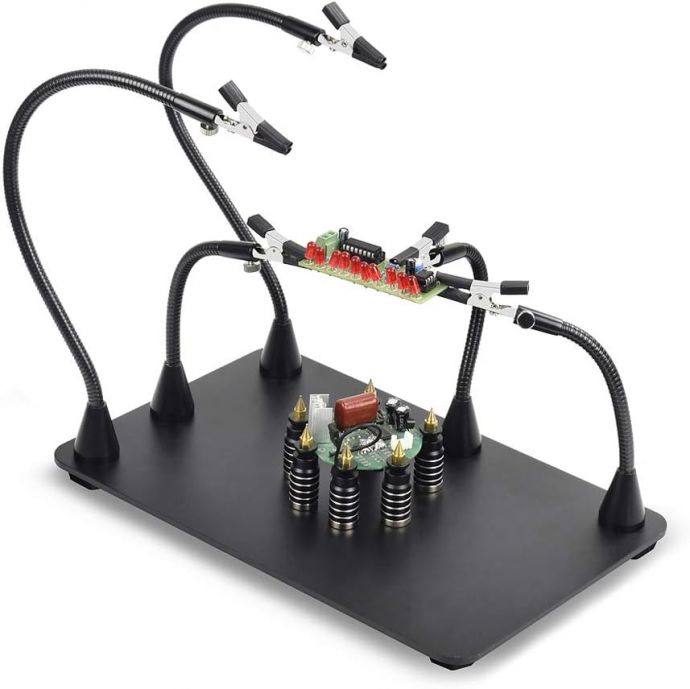
That’s where magnetic helping hands come into play: a modern twist on the classic “third hand” tool that gives you stable positioning without the hassle of readjusting shaky clamps. When chosen well, a magnetic helping hands station becomes more than a convenience—it becomes a workflow upgrade that helps you solder cleaner joints, keep parts aligned, and steadily build the confidence that separates hobbyists from electronics wizards.
Welcome to triple-clutch precision—where craftsmanship meets magnetic magic—and your solder joints become the kind you’re proud to show off.
---
## Why “Third Hands” Matter More Than You Think
Soldering typically demands at least three coordinated actions:
1. **Hold the component or wire** in the exact place.
2. **Heat the joint** with a soldering iron.
3. **Feed solder** (or apply flux and solder as needed).
Depending on the task, you might also be managing **tweezers**, a **flux pen**, desoldering braid, or wire trimming. Even if you’re using two hands, holding something steady while also melting solder is an exercise in compromise.
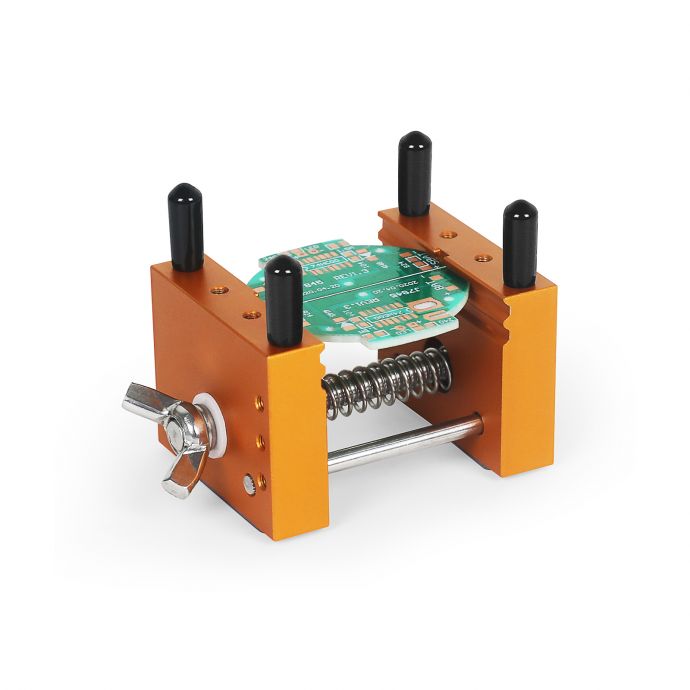
Many soldering setups rely on spring clamps, alligator clips, or friction-based holders. Those tools can work—but they often introduce small problems:
- **Components rotate** when you apply pressure.
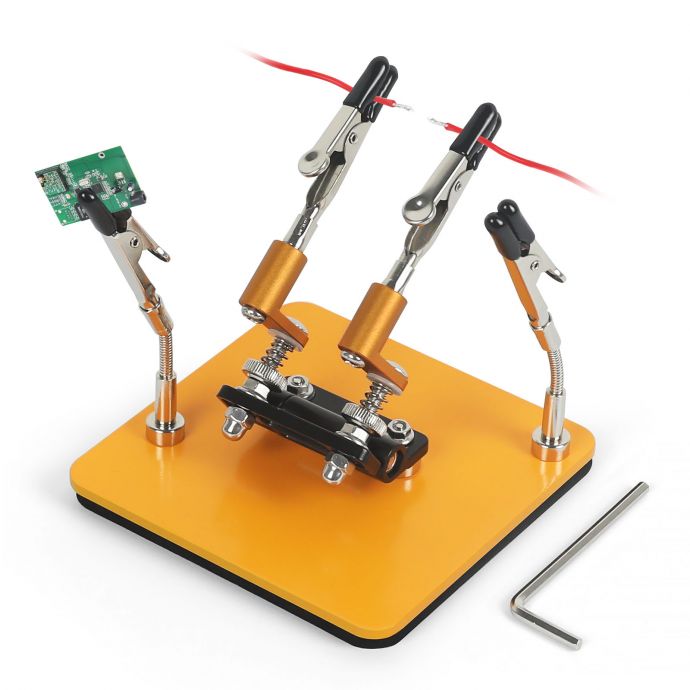
- **Thin wires slip** out of the grab area.
- **Clamps block visibility**, making it harder to verify alignment.
- **You spend more time repositioning** than soldering.
Magnetic helping hands reduce these issues by creating stable anchoring points that can be repositioned quickly while still resisting unwanted movement. The result is a soldering experience that feels more intentional and less frantic.
---
## The Magnetic Advantage: Stability Without the Struggle
A magnetic helping hands tool uses magnets strategically to secure parts and tips in place. Instead of relying solely on clamp pressure, the design “locks” components where you want them.
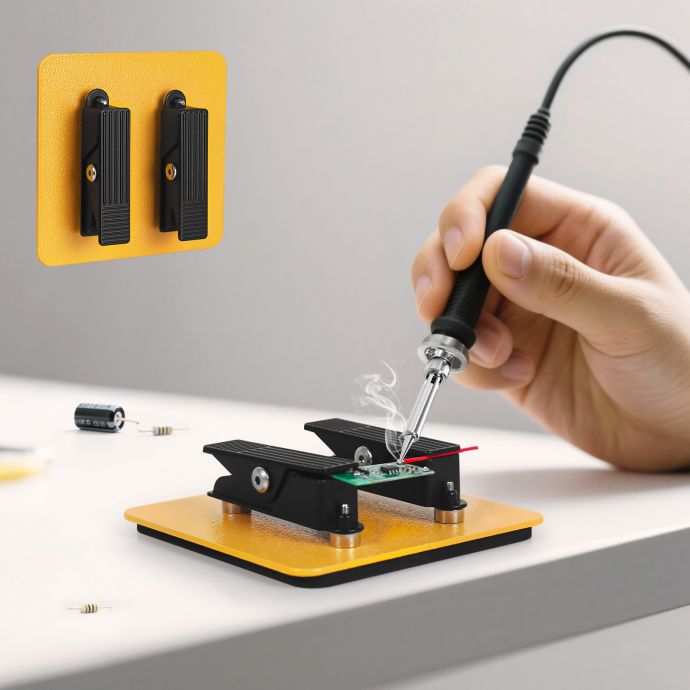
Here’s what that means in real-world soldering:
### 1) Repeatable positioning
When your magnets hold firmly, you can set a component in the right orientation and trust it to stay there. That matters especially for:
- SMD-adjacent through-hole work
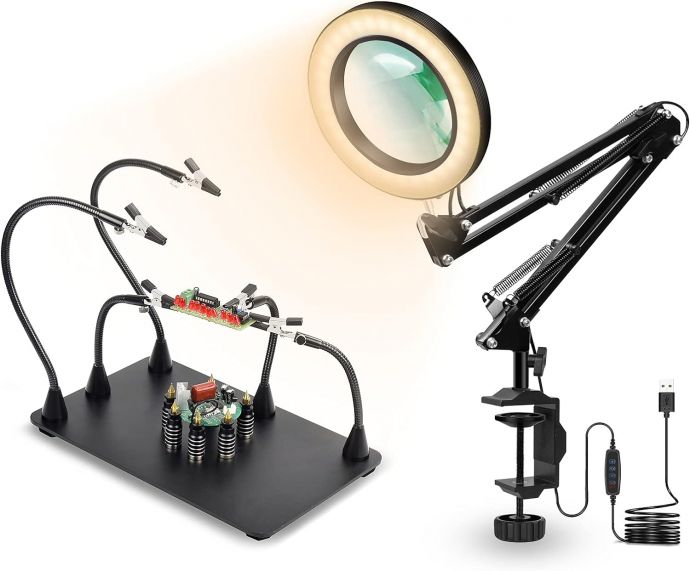
- Small connector leads
- Wires at awkward angles
- Pre-tinning and repeat soldering operations
### 2) Quicker adjustments
With magnetic positioning, you’re less likely to loosen and tighten clamps again and again. Many magnetic helping hands models allow you to reposition an anchor point quickly—sometimes with one smooth motion—then let the magnet do the rest.
### 3) Reduced “creep” while soldering
Even subtle movement during heating can create imperfect joints: cold joints, misalignment, or strained connections. A stable hold helps prevent movement right when the metal is most vulnerable.
### 4) Better visibility and ergonomics
A good third hand station places clips and holders where they won’t obstruct your view of the joint. When your setup is cleaner, you can focus on technique: heat application, solder flow, and cleanup.
---
## Understanding “Triple-Clutch Precision”
The phrase “triple-clutch” captures the idea that precision comes from three layers of control working together:
1. **Magnetic hold** for stability
2. **Adjustable positioning** for alignment
3. **Toolcraft geometry** for reliable access to the joint
Even if your magnetic helping hands doesn’t literally have three clutches, the concept is what matters: your setup should behave like it’s designed for fine manipulation, not just holding something vaguely in place.
Let’s break down the triple-clutch behavior you should look for.
### 1) Magnetic hold: the backbone of steadiness
Strong magnets keep components locked without the clamping “judder” that can shift delicate parts. The ideal magnetic helping hands setup lets you anchor:
- PCB corners
- wire runs
- small metal parts
- connectors and leads
### 2) Motion control: precise adjustments without chaos
A great third hand tool allows you to reposition holders smoothly—without fighting stiff joints or losing the new angle immediately. Look for:
- fluid, stable arm movement
- adjustable “reach” so you can position a tip where you actually solder
- firm locking so nothing droops mid-job
### 3) Access geometry: make soldering easier, not harder
Even a strong hold won’t help if your soldering iron can’t reach the joint comfortably. The best setups ensure:
- the clip/arm angle keeps your iron tip aligned with the pad
- wires remain tensioned enough not to bounce
- the workspace around the joint stays open and visible
When these three elements work together, soldering becomes less about wrestling your tools and more about executing the technique.
---
## The “Never Let Go” Promise: Why Grip Quality Matters
In electronics work, “good enough” isn’t good enough. A loose grip can result in:
- solder bridges from shifting leads
- lifted pads from tugging at the wrong moment
- overheated components due to repeated attempts
Magnetic helping hands earn their reputation when the holding force is consistent and secure. A magnet doesn’t fatigue like a weak clamp spring might. It also doesn’t require constant tightening.
However, “never let go” depends on two factors:
- **magnet strength relative to the load**
- **proper placement and contact**
You’ll want a setup that can confidently hold the size and weight of what you’re working with—whether that’s a micro connector, a bundle of wires, or small brackets.
---
## Craftsmanship Meets Magnetic Magic: What to Look For
Not all magnetic helping hands are the same. The difference between “a magnet that holds” and “a station that transforms your workflow” often comes down to build quality and thoughtful design.
Here are features worth prioritizing:
### Sturdy base and stable arm system
A stable base prevents the entire station from tipping when you press the iron to a joint. It also reduces vibration during soldering.
### Flexible and lockable articulating arms
You want arms that can be positioned accurately and then held there. Locking mechanisms should feel confident—no slipping when you let go.
### Heat-aware materials near the solder zone
Your soldering iron is hot enough to challenge cheap materials. A well-designed station includes components that won’t warp easily or become unreliable after repeated use.
### Comfortable reach and alignment
A third hand is only useful if it puts the component where your hands need it. Look for a configuration that supports both:
- small, precise soldering
- slightly larger through-hole tasks
### Easy positioning
If you have to fight the tool to set it up, it defeats the purpose. Magnetic systems should make placement faster, not more complicated.
---
## Perfect Soldering Every Time: How to Use Magnetic Helping Hands Like a Pro
Owning a great tool is step one. Using it effectively is step two. Here’s a practical approach to getting consistent, high-quality results.
### Step 1: Prep your work like the pros
- Clean pads and leads (flux and/or proper cleaning)
- Pre-tin wires or pads when appropriate
- Plan solder points before heating
Magnetic holding hands can only position the part. They can’t fix a dirty joint. Good prep makes the magic possible.
### Step 2: Place the component and lock it into alignment
Use the magnetic anchors to hold the component precisely:
- Align leads with pads before soldering
- Confirm the orientation visually
- Adjust until you’re satisfied—then let the magnets stabilize it
A well-aligned start reduces the need for rework.
### Step 3: Add flux (strategically)
Flux improves wetting and helps solder flow smoothly. Apply just enough to help the joint—then avoid drowning tiny pads.
### Step 4: Heat with purpose
Touch the iron to the joint where pad and lead meet. The goal is to warm the joint so solder flows naturally, not to “cook” the component repeatedly.
### Step 5: Feed solder and watch for flow
When conditions are right, solder will:
- melt quickly
- spread onto the pad and lead
- form a smooth, shiny fillet (or matte/consistent finish depending on flux and solder)
If it balls up, you may need more heat or better flux/wetting conditions—not endless reheating.
### Step 6: Let it cool without movement
Movement during cooling can crack joints or create dull, unreliable connections. The “never let go” aspect helps here. Avoid touching the joint until it’s fully cooled.
---
## Real-World Projects Where Magnetic Helping Hands Shine
Magnetic helping hands aren’t only for “serious electronics.” They shine in practical builds and repair tasks too.
### 1) Repairing loose connectors
When you need to resolder headers, ribbon connectors, or cable terminals, lead stability matters. A magnetic hold reduces accidental bending while you heat.
### 2) Building cable harnesses
Wires often want to twist or spring away from the target pads. Magnet anchors help keep wire runs aligned so you can solder faster with fewer adjustments.
### 3) Through-hole PCB assembly
Even though through-hole work is simpler than SMD, precision still matters. A stable third hand reduces the wobble that leads to uneven joints and crooked component placement.
### 4) Fine mechanical-electrical adapters
When working on brackets, small metal parts, or mixed-material assemblies, magnets can stabilize the mechanical piece while you solder electrical leads cleanly.
### 5) Prototyping and repeated rework
Iterating designs means you’ll solder, remove, and resolder components. A