In the world of precision craftsmanship, from intricate model-building and delicate watch repair to the fine art of jewelry making and the meticulousness of electronics restoration, the right tool doesn’t just assist—it transforms the entire creative experience. Among the great array of gadgets and aids available to hobbyists and professionals alike, one humble device often makes the biggest difference: the mini bench vise. Compact, robust, and perfectly sized for 0.78-1.18-inch objects, this adjustable clamp serves as a reliable third hand, elevating your workflow from cumbersome to seamless.
## Why a Mini Bench Vise Changes Everything
Anyone who has ever tried to solder a tiny circuit, polish a miniature figurine, or set gemstones knows the importance of complete stability. Your hands are skilled, but they’re also human—prone to tremors, fatigue, and sometimes in need of a break. That’s where the mini bench vise shines.
These compact vises are designed to provide firm, reliable grip on small items, allowing users to focus both hands on the task at hand. At a size adjustable between 0.78 and 1.18 inches, they perfectly accommodate a range of delicate parts typically found in crafting, watchmaking, and electronics repair. Their impact is instant, streamlining workflows, reducing errors, and preventing fatigue.
Let’s explore how a mini bench vise can become the unsung hero across several specialties.
## Model Making: Where Precision Is Paramount
Model makers, whether working on scale trains, architectural prototypes, or plastic kits, know the pain of a part slipping at the last moment. Delicate parts—tiny rails, minute chairs, or fragile windows—demand precision handling. Here, the mini bench vise becomes an indispensable ally.
When gluing parts that must be held perfectly still, the vise’s adjustable jaws provide just enough pressure to hold components without crushing or marring delicate surfaces. Some vises come equipped with soft rubber jaws or clamping pads that add an extra layer of protection. With the model firmly gripped, you can focus on alignment, bonding, and finishing without juggling tweezers and hope.
Detail painters love the vise’s steadiness: it offers a stable way to hold tiny pieces for painting or weathering, giving your hand the freedom—and steadiness—to bring out the finest brushwork. And when it comes time to drill, file, or sand, the vise eliminates the rolling and shifting that compromise craftsmanship and lead to costly mistakes.
## Watch Repair: Steadiness Meets Delicacy
In horology, the balance between force and finesse is razor-thin. Watchmakers operate with mechanisms so minute that even the softest breath can shift a gear or spring. Traditional watchmaker’s benches include elaborate vises and clamps, but the mini bench vise, with its precise adjustment range, has become a favorite for both amateurs and seasoned pros.
It’s ideal for tasks like holding a case steady during crystal replacement, gripping a plate for gear work, or assisting in hand-setting. Non-marring jaws are a must in this field, and many vises come with removable plastic or silicone tips to cushion the grip. With the case or movement locked in place, your hands are freed for manipulating screwdrivers, tweezers, or presses—boosting accuracy and reducing the risk of dropping or misaligning critical parts.
The vise also simplifies bracelet and strap repairs. No more fumbling with spring bars or risking scratches; simply clamp the end link for a steady anchor. The days of chasing runaway screws and springs across the workbench are over.
## Jewelry Making: A Touch of Control for Every Masterpiece
Jewelry artists routinely meet the perfect storm of needs: micro-scale precision, robust holding, and surface protection. Soldering a jump ring, setting a prong, engraving initials, or polishing a tiny pendant—each task can benefit from the unwavering grip of a mini bench vise.
The adjustable jaws securely accommodate rings, earring posts, or pendant settings, making fiddly tasks less daunting. Because the vise can be set to such a small opening, there’s less risk of deforming delicate shapes or surfaces. For intricate wirework, the vise holds one end so you can twist, wrap, or link with greater ease and dexterity.
Engraving benefits are substantial—with the workpiece immobilized, you can push the graver with confidence, knowing there’s no chance it’ll slip or jerk. The same applies for stone setting: the vise ensures that the setting stays put, so your focus can stay on precision.
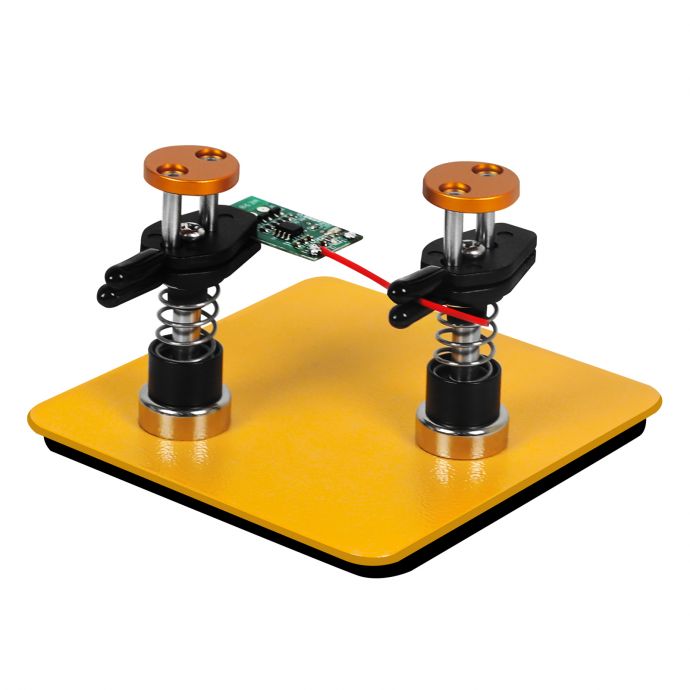
For those using rotary tools or files, the clamp can be angled or mounted to offer ergonomic support, making long sessions less fatiguing and more productive.
## Electronics Repair: Hands-Free & Heat-Safe
Anyone who has repaired a circuit board or replaced a tiny capacitor knows the struggle: not enough hands. Soldering demands one hand for the iron, another for the solder, and yet another for holding the work steady. Enter the mini bench vise.
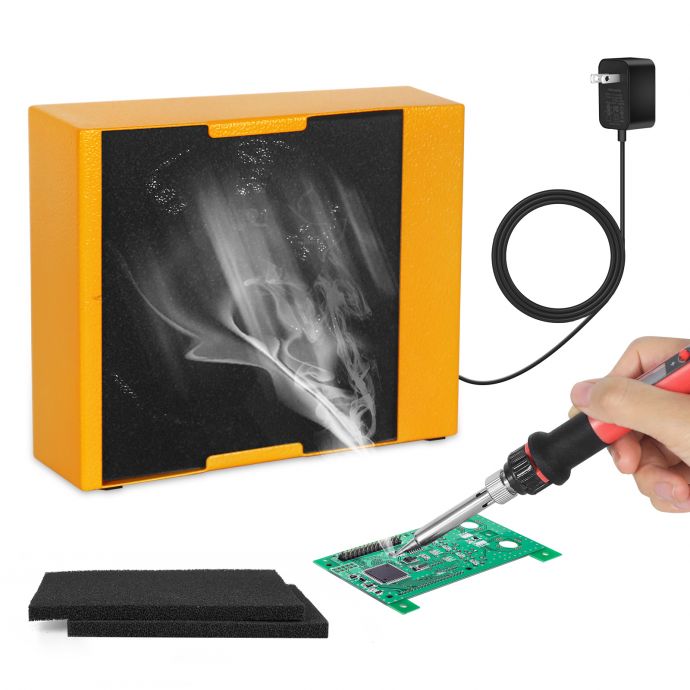
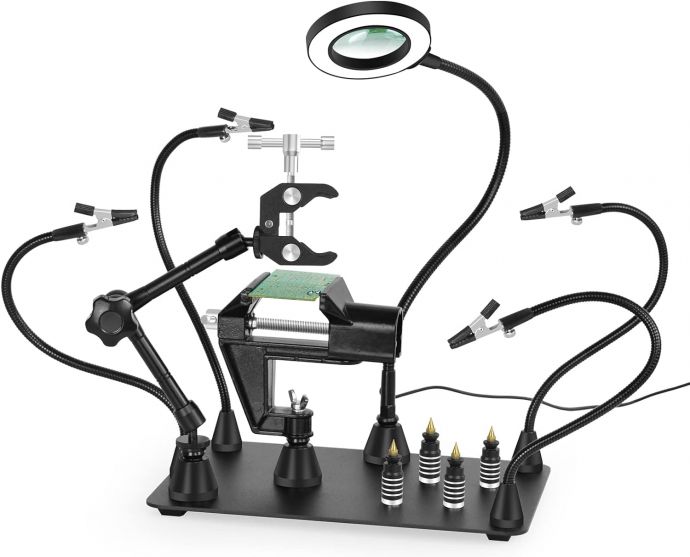
With the board or component secured, your hands are free for the nuance of the task. No more shifting, jiggling, or misaligned joints. Height and angle adjustments enable ideal positioning under magnification. The vise’s jaws, set at just the right tension, won’t damage sensitive electronics, and non-conductive jaw covers are available to prevent unintentional shorts.
The clamp is also helpful for wire stripping, connector assembly, and gluing or taping parts. When heat is involved—such as with soldering—having the part clamped in the vise also moves your fingers away from the hot zone, reducing the risk of burns.
## Versatility Beyond the Workbench
The beauty of the mini bench vise is that its usefulness extends far beyond its original intention. Arts-and-crafts enthusiasts and even hobbyist carpenters find creative ways to employ this tool. The mechanism is deceptively simple—a screw thread drives two jaws together—but the applications are as limitless as your imagination.
**Applications include:**
- Holding circuit boards for repair or testing
- Securing leather or wood pieces for cutting, punching, or carving
- Firmly clamping rulers or guides during precision marking or scribing
- Supporting camera or phone mounts in a makeshift studio or repair shop
Some users even find the vise invaluable for everyday tasks: holding a nail for safe hammering, keeping a small pipe steady for cutting, or anchoring a part for gluing.
## Choosing the Best Mini Bench Vise for Your Needs
While the allure of any mini bench vise is its compact size and adaptability, selecting the right model is essential for maximizing precision and safety. Here’s what to consider before adding one to your toolkit:
### 1. **Jaw Material and Covers**
For work with metals, a robust steel jaw is a must, but for those in the jewelry, watch, or electronics fields, non-marring covers (rubber, plastic, or silicone) are crucial in preventing surface damage.
### 2. **Jaw Width and Opening Range**
The 0.78-1.18 inch range hits the sweet spot for most small parts, but consider your most common workpiece sizes. Some vises offer interchangeable jaws or slightly wider openings for versatility.
### 3. **Mounting Options**
Mini vises can be clamped to the edge of a workbench, affixed via suction base, or mounted with screws. A secure attachment reduces vibration and accidental slips, so choose according to your workspace.
### 4. **Swivel and Tilt Features**
Models featuring 360-degree rotation or tilting jaws offer multiple angles for working on odd-shaped parts, improving comfort and access.
### 5. **Build Quality**
Look for all-metal construction for durability, smooth threads for easy adjustment, and quality finishes that resist rust and corrosion.
### 6. **Portability**
Some vises are designed with portability in mind, lightweight enough to carry in a pocket toolkit or small enough for a travel workbench setup.
## Mastering the Vise: Tips for Optimal Use
Simply owning a mini bench vise doesn’t automatically translate to flawless results. To get the most out of this tool:
- **Adjust Gently:** Tighten just until the part is secure. Over-tightening can compress or deform delicate materials.
- **Use Soft Jaws:** For soft metals, plastics, or finished surfaces, insert rubber or leather between the jaws and your workpiece.
- **Clean Regularly:** Dust and debris can lodge in the threads and jaws, affecting grip and precision.
- **Secure the Vise:** Use a non-slip pad or firmly attach the vise to your bench to reduce the risk of movement.
- **Leverage Add-ons:** Magnetic jaw pads, LED lights, or magnifiers can be added to further improve your bench setup.
## The True Value: Efficiency, Accuracy, and Satisfaction
Many tools can promise to make your job easier, but few deliver such a profound improvement in workflow as the mini bench vise does. By eliminating “the hand problem,” it allows for longer, more focused sessions, reduces mistakes, and protects delicate components.
For professionals, this translates to greater output, fewer ruined pieces, and less time spent correcting errors. Hobbyists benefit from increased confidence, faster learning curves, and more satisfying creative experiences.
Perhaps most importantly, the vise acts as a silent teacher—instilling a discipline for proper support and precision that will carry over into every aspect of your craft.
## Worth the Space in Any Toolkit
The mini bench vise—though small enough to fit in your palm—offers oversized value to anyone who works with tiny parts. Whether you’re assembling a model train, restoring a vintage watch, soldering wires onto a PCB, or setting the next great piece of wearable art, this tool stands ready, steady, and supportive.
It’s not just a clamp. It’s your steadying hand, your silent partner, and a key to unlocking higher-quality work. Invest in one, and discover how big a difference “small” can make in your craft. The next time you face a fidgety, finger-defying task,