Soldering is the heartbeat of modern electronics, from assembling intricate circuit boards to fixing favorite gadgets. But while the whiff of melted solder and crisp flux might evoke nostalgia for many hobbyists or engineers, there’s an invisible hazard hovering in the air. Each time you heat up your soldering iron, tiny plumes of smoke laden with chemicals, particulates, and toxic fumes scatter into your workspace. Over time, inhaling these fumes can affect your respiratory health, irritate your eyes and throat, and even lead to chronic conditions.
The solution? A reliable fume extractor fan. Commercial models can be expensive and sometimes underpowered. That’s where DIY ingenuity shines. Let’s delve into how creating a powerful, smoke-free soldering environment—specifically a custom “6.7 Fight Extractor Fan”—can transform your workspace, boost your health, and empower your crafting creativity.
---
## Why Soldering Smoke Is Not Just Annoying
It’s easy to underestimate what soldering fumes contain. Common solder wires include flux made from rosin (a pine tree resin). When heated, rosin breaks down into complex organic compounds, many of which can irritate the respiratory system. Lead-based solder, still favored for its low melting point and easy flow, emits traces of lead oxides, which are highly toxic—especially with prolonged exposure. Even “lead-free” solder blends contain metals like tin and silver, which aren’t entirely benign.
It’s not just about allergies or irritation. Chronic exposure to solder fumes can lead to “occupational asthma,” headaches, bronchitis, and in rare cases, more severe pulmonary issues. Eye and skin inflammation are also common complaints for regular solderers. Making your soldering station healthier isn’t just a nice-to-have—it’s essential.
---
## Enter the Extractor Fan: The Workhorse of Healthy Workspaces
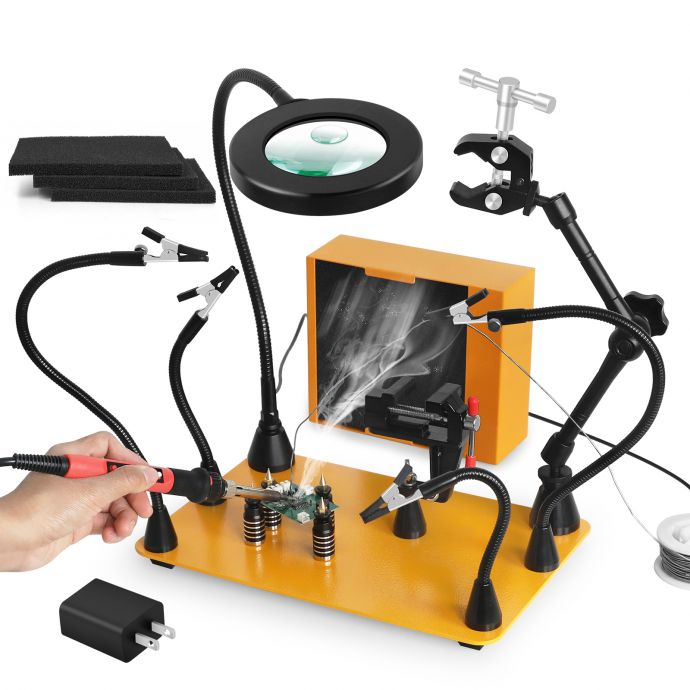
A fume extractor fan is engineered to draw dangerous smoke and particulates away from your breathing zone and, ideally, out of your room or workspace. Typical extractors have a powerful fan, a filter (usually carbon or HEPA), and a flexible duct or exhaust. They can be attached directly over your work area, sucking up the smoke as soon as it rises from your iron tip.
But why build your own? Four key reasons:
1. **Power and Capacity:** Many off-the-shelf extractors use small, weak fans that may not handle heavy soldering jobs.
2. **Customization:** DIY allows you to tailor the extractor’s size, filter quality, and airflow direction to your exact needs and workspace dimensions.
3. **Budget:** Building it yourself is often far cheaper than commercial units with similar performance.
4. **Satisfaction:** Tinkering is half the fun for any maker. Building tools for your own use is deeply rewarding.
---
## Meet the “6.7 Fight Extractor Fan”—An Ingenious DIY Solution
Let’s break down the concept of a “6.7 Fight Extractor Fan.” The name comes from the fan diameter (6.7 inches), a sweet spot for airflow and manageable size. This is not just any fan—what makes it “fight” smoke so effectively is the careful consideration of airflow dynamics, filter placement, and adaptability.
### What You Need to Build Your Own
#### 1. The Heart: The 6.7-Inch Fan
A high-quality, brushless DC fan or AC centrifugal blower in the 6.7-inch (170mm) range provides strong airflow—usually measured in cubic feet per minute (CFM). Look for a fan that can deliver at least 80–120 CFM for desktop work. Brushless fans are quieter and more durable, perfect for personal workspaces.
#### 2. The Filters
Your extractor should capture both large particulates and fine, invisible fumes. Use a two-stage process:
- **Pre-filter:** A simple foam or mesh screen to trap large solder splatters or dust.
- **Main filter:** A replaceable activated carbon sheet for gases and fumes, or a HEPA filter for ultra-fine particles. Some builders layer both for maximum protection.
#### 3. The Housing
You’ll need a sturdy, heat-resistant enclosure. Many makers repurpose thick-walled plastic boxes or sheet metal enclosures, mounted to accommodate the fan, filter tray, and exhaust duct. The design should minimize air leaks—a snug fit ensures all air passes through the filter.
#### 4. The Exhaust (Optional)
If you can vent outside (through a window or wall), attach a flexible dryer duct to the fan’s output; this improves air quality further by sending fumes entirely outside. Otherwise, ensure your filter quality is high and replace filters regularly.
#### 5. Switches and Controls
A simple on/off switch, or even a speed controller (PWM or voltage control) for variable airflow. For more advanced setups, add a timer, a smoke sensor, or even automate switching with a microcontroller.
#### 6. Assembly Hardware
Bolts, gaskets, silicone sealant, and mounting arms—ensure everything is securely fastened and airtight.
---
## Step-by-Step Building Process
### Step 1: Plan Your Layout
Sketch your fan, filter, and housing arrangement. Decide on vertical (standalone) or overhead (arm-mounted) orientation based on your soldering habits.
### Step 2: Prepare the Housing
Cut out a circular hole sized for the fan. Create a slot or tray for the removable filter elements. Make smaller holes for switches, wires, and—if desired—an exhaust duct.
### Step 3: Mount the Fan
Secure your 6.7-inch fan to the housing using vibration-dampening mounts (rubber grommets or foam) to reduce noise. Ensure airflow is directed away from your face—ideally upward or outward through an external duct.
### Step 4: Install Filters
Insert the pre-filter first, then layer your activated carbon or HEPA filter. Use retaining clips or a slide-in tray for easy replacement.
### Step 5: Wire Up the Controls
Wire the fan to your power source through the switch or controller. Double-check connections for safety, especially if using AC power. Encase all wiring in heat-resistant sleeving.
### Step 6: Seal and Test
Seal all non-airflow gaps with silicone or foam strips. Power up your extractor and test airflow using a strip of tissue or incense; ensure smoke is drawn entirely into the unit.
### Step 7: Position It
Place your extractor as close to the soldering action as possible, ideally 4–8 inches from your work area, to “catch” fumes as they rise.
---
## Upgrades: Taking Your Extractor to the Next Level
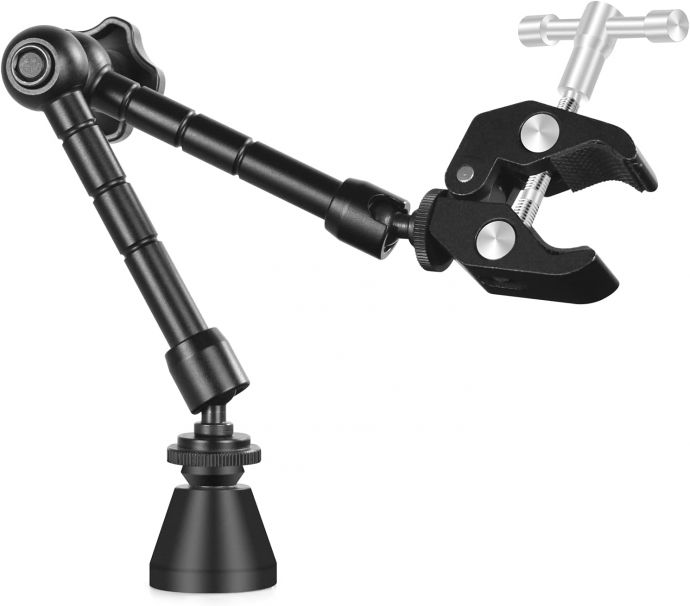
- **Articulated Arms:** Consider mounting the extractor to a flexible arm so you can reposition rapidly as you work.
- **Noise Dampening:** Line the housing interior with acoustic foam—especially valuable in small rooms.
- **Smart Controls:** Add IoT smoke or air quality sensors to alert you when filters are saturated.
- **Aesthetic Touches:** Paint the housing, add LED worklights, or engrave your maker logo for extra pride in your build.
---
## Maintenance: Keep It Fighting Strong
A DIY fume extractor is only as effective as its filters. Check and replace pre-filters every 2–4 weeks and the carbon/HEPA filters every 2–3 months, depending on usage. The fan itself should be cleaned of dust buildup every few months—especially if you work in an area with other airborne particles (like sawdust or pet hair).
Monitor airflow regularly; if you notice less suction, it’s filter time. If your filters develop an odor, that’s another cue.
---
## Health Benefits: What You Can Expect
Even a few hours a week spent soldering in a poorly ventilated area can affect your health. Benefits of using a high-quality DIY extractor fan include:
- **Less Respiratory Irritation:** Fewer coughing fits, reduced throat scratchiness, and easier breathing, even after long soldering sessions.
- **Fewer Headaches:** Cleaner air means fewer toxins, leading to sharper focus and reduced fatigue.
- **Cleaner Workspace:** Extractor fans also pull up small solder/flux splatters, keeping your bench tidier.
- **Peace of Mind:** Knowing you’re protecting your long-term health lets you enjoy soldering and electronics work even more.
---
## Beyond Soldering: Other Uses for Your DIY Extractor
The same fan setup can be invaluable for other hobbyists:
- **3D printing** (especially when using ABS or resins)
- **Painting or airbrushing**
- **Woodburning/pyrography**
- **Laser engraving or cutting**
A modular or portable extractor means you can move it to wherever fumes are generated.
---
## Your Healthier Soldering Journey Starts Now
Soldering is both an art and a science. Taking the step to design, build, and maintain your own powerful, smoke-fighting extractor not only boosts your workspace’s safety—it’s a mark of craftsmanship and self-reliance.
Ready to begin? Gather your parts and start planning your custom 6.7-inch “Fight Extractor Fan” today. Your lungs (and your future self) will thank you. Make every project a breath of fresh air—literally!